Arabian Coffee and Dates in a Bowl: A Cultural and Visual Delight
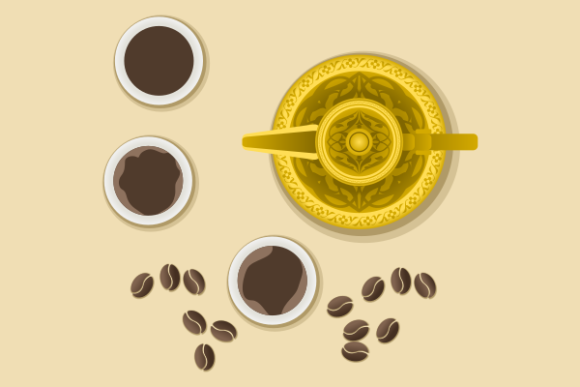
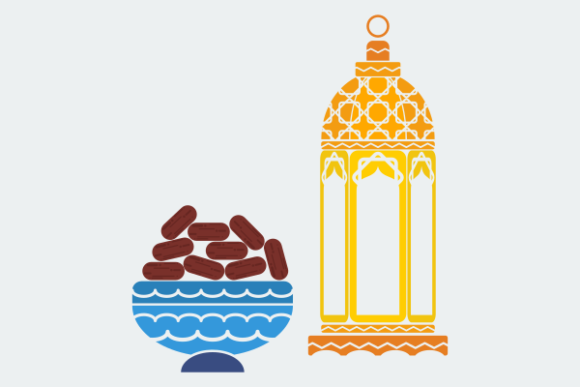
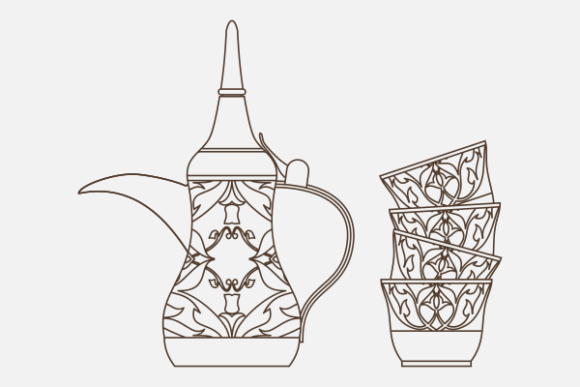
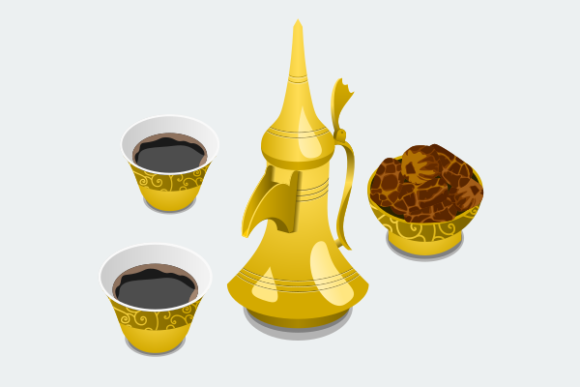
The traditional Arabian coffee and dates in a bowl represent more than just a beverage and snack; they are a symbol of hospitality, cultural heritage, and shared moments. This iconic pairing has deep roots in Middle Eastern and Islamic traditions, often served during gatherings, religious celebrations like Ramadan and Eid, and as a gesture of welcome to guests. The visual representation of this combination—such as an editable SVG vector featuring three-quarter top view Arabian coffee in finjan cups and a dallah pot with a bowl of dried dates—offers a powerful way to convey these values in both digital and printed formats.
What Makes Arabian Coffee and Dates in a Bowl Unique?
Arabian coffee, also known as Arabic coffee or gahwa, is brewed using dark-roasted beans and often infused with cardamom, giving it a distinct flavor profile. It is traditionally served in small cups called finjans, which are typically made of porcelain or metal. The accompanying dates, usually either fresh or dried, add a natural sweetness that complements the rich, aromatic coffee. Together, they form a classic pairing that is both practical and symbolic.
This combination is not just about taste; it is deeply embedded in social customs. Offering coffee and dates is a sign of respect and generosity, making it a staple in homes, cafes, and community spaces across the Arab world. The imagery of this pairing—especially when rendered in detailed illustrations—can evoke a sense of tradition and warmth, making it a valuable asset for businesses or projects that aim to connect with Middle Eastern and Islamic cultures.
Comparing Arabian Coffee and Dates in a Bowl with Other Options
While there are many ways to represent coffee and food in visual design, the specific depiction of Arabian coffee and dates in a bowl offers a unique cultural context that other options may lack. For example, a generic coffee cup and plate of snacks might not carry the same depth of meaning or authenticity. Similarly, images of Western-style coffee and pastries may not resonate as strongly with audiences seeking traditional or culturally specific visuals.
When compared to other traditional beverages and snacks, such as Turkish coffee or Middle Eastern tea paired with sweets, the Arabian coffee and dates combination stands out for its simplicity and strong association with hospitality. It is often seen as more refined and ceremonial, especially when presented in a formal setting. This makes it particularly suitable for projects that emphasize cultural authenticity, such as those related to Ramadan, Eid, or Middle Eastern-themed cafes.
Strengths and Tradeoffs of Using This Visual Concept
One of the key strengths of using an illustration of Arabian coffee and dates in a bowl is its ability to communicate cultural significance without words. This makes it ideal for branding, marketing materials, and educational content that aims to highlight Middle Eastern traditions. The visual appeal of the image—especially when created with attention to detail—can also enhance the aesthetic of any project, whether it's a website, brochure, or packaging design.
However, there are tradeoffs to consider. For instance, the specificity of the imagery may limit its versatility in certain contexts. While it is highly effective for projects focused on Middle Eastern culture, it may not be as relevant for broader or more general audiences. Additionally, the need for accurate representation can require careful attention to detail, ensuring that elements like the finjan cups, dallah pot, and dates are depicted correctly.
Best-Fit Situations for Arabian Coffee and Dates in a Bowl
This visual concept is particularly well-suited for projects that aim to celebrate or educate about Middle Eastern and Islamic traditions. For example, a cafe looking to create a welcoming atmosphere might use the image in its branding to reflect the cultural values of the region. Similarly, a website or app focused on Ramadan or Eid could incorporate the illustration to reinforce the themes of community, generosity, and celebration.
It is also useful for educational or cultural initiatives that seek to present authentic representations of Middle Eastern life. In these cases, the image can serve as a visual aid that helps users better understand the customs and practices associated with the region. Additionally, businesses that cater to Middle Eastern communities or those interested in cultural tourism may find the illustration to be a valuable tool in attracting and engaging their target audience.
When to Consider Alternatives
There are situations where alternative visual concepts might be more appropriate. For example, if the goal is to create a more universal or inclusive design, a more generic depiction of coffee and snacks might be preferable. Similarly, if the project focuses on a different aspect of Middle Eastern culture—such as architecture, music, or cuisine—the coffee and dates image may not be the best fit.
Another consideration is the level of detail required. If the project needs a more abstract or stylized representation, the specific elements of the Arabian coffee and dates setup may not align with the desired aesthetic. In such cases, simplifying the design or using a different set of visual elements could be more effective.
Practical Examples and Use Cases
For a cafe or restaurant targeting Middle Eastern customers, incorporating an illustration of Arabian coffee and dates in a bowl can help establish a strong cultural identity. This could be used in menus, signage, or promotional materials to create a cohesive and inviting atmosphere. The image can also be adapted for digital platforms, such as social media posts or website banners, to engage online audiences.
In the context of Ramadan or Eid, the illustration can be used in greeting cards, event invitations, or digital campaigns to convey the spirit of the season. Its presence can help reinforce the importance of hospitality and shared meals, which are central to these celebrations. Additionally, it can be part of a larger design theme that includes other traditional elements, such as lanterns, decorations, or calligraphy.
Choosing the Right Tools for Editing and Customization
When working with an editable SVG vector of Arabian coffee and dates in a bowl, tools like Inkscape offer a flexible and powerful way to modify the design. Inkscape allows users to adjust colors, resize elements, and add text or other graphics while maintaining the integrity of the original artwork. This makes it an ideal choice for designers who want to customize the illustration for different applications.
Other file formats, such as EPS, PDF, and high-resolution PNG, provide additional flexibility depending on the intended use. For print projects, EPS and PDF files ensure high-quality output, while PNG files are suitable for web use. Understanding the strengths of each format can help users make informed decisions about how to best utilize the illustration in their work.
Conclusion: A Thoughtful Choice for Cultural Expression
The Arabian coffee and dates in a bowl illustration offers a meaningful and visually appealing way to represent Middle Eastern and Islamic traditions. Whether used in a cafe, educational material, or cultural project, it can effectively convey the values of hospitality, community, and heritage. By understanding its strengths, limitations, and best-fit scenarios, users can make informed decisions about when and how to incorporate this imagery into their work.