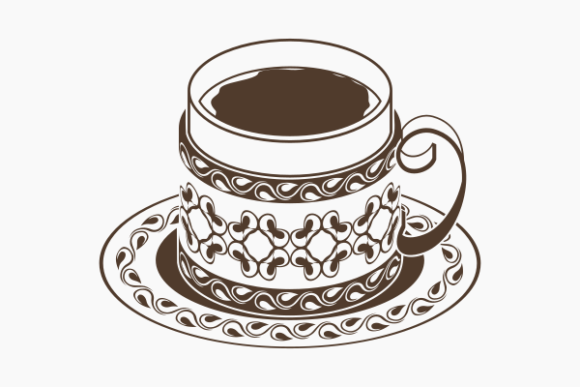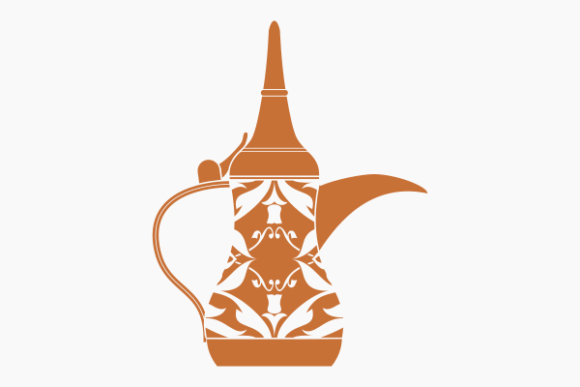
Flat Monochrome Style Patterned Cezve
The Flat Monochrome Style Patterned Cezve is a minimalist yet intricate illustration of a traditional Turkish coffee pot, designed with clean lines and a monochrome color palette. This style emphasizes simplicity while maintaining the cultural richness of the cezve, making it an ideal choice for designers, artists, and creators looking to incorporate Ottoman heritage into modern projects.
Unlike more colorful or detailed illustrations, the flat monochrome approach allows for greater flexibility in design applications. It can be easily adapted for web interfaces, UI elements, print materials, or even as part of a larger branding strategy that highlights Turkish culture and tradition.
Why the Flat Monochrome Style Works
The flat monochrome style strips away unnecessary details, focusing on form, shape, and structure. This makes the cezve not only visually appealing but also highly functional in various design contexts. The lack of color means it can seamlessly integrate into any design scheme, whether it's a dark mode interface or a vibrant print layout.
Additionally, the patterned elements within the cezve—such as geometric motifs or ornamental borders—add depth without complicating the overall design. These patterns are often inspired by traditional Ottoman art, giving the illustration both aesthetic value and cultural significance.
Creative Applications of the Flat Monochrome Cezve
Designers and developers can use the Flat Monochrome Style Patterned Cezve in a variety of ways. For instance, it can serve as a logo or icon for a café, a digital app focused on Turkish culture, or a social media graphic that celebrates traditional brewing methods. Its clean design ensures it remains recognizable across different sizes and formats.
For UI/UX designers, the cezve can be used as a visual element in a mobile app or website. Its flat style aligns well with modern design trends, and its monochrome nature allows for easy customization with different color schemes or gradients. This makes it a versatile asset for any digital product that wants to evoke a sense of tradition and authenticity.
Using the SVG File for Customization
The editable SVG vector file of the cezve provides users with full control over the design. With software like Inkscape, you can modify the patterns, adjust the shapes, or add new elements to suit your specific needs. This level of customization is especially useful for businesses or individuals looking to create unique designs that reflect their brand or personal style.
SVG files are also scalable without losing quality, which means the cezve illustration can be used in both high-resolution print materials and digital platforms. Whether you're designing a poster, a t-shirt, or a website banner, the SVG format ensures that the design remains sharp and professional at any size.
Practical Use Cases for Different Audiences
Entrepreneurs and small business owners can benefit from using the Flat Monochrome Style Patterned Cezve in their branding. A café, for example, might use the illustration as part of its menu design, packaging, or signage. The minimalistic look adds a touch of elegance and sophistication, while the cultural reference connects with customers who appreciate traditional craftsmanship.
Marketers and bloggers can use the cezve illustration in content creation, such as infographics, social media posts, or blog headers. Its visual appeal helps draw attention and can be paired with text to educate audiences about Turkish coffee culture or the history of the cezve.
Educators and students interested in design or cultural studies can use the illustration as a teaching tool. It offers a tangible example of how traditional motifs can be adapted into modern design practices, providing a bridge between historical art and contemporary visual communication.
Tips for Effective Design Integration
To make the most of the Flat Monochrome Style Patterned Cezve, consider the following tips:
- Keep it consistent: Use the same style across all design elements to maintain a cohesive look.
- Highlight the details: Focus on the patterns and structure to showcase the design’s uniqueness.
- Adapt for context: Modify the illustration to fit the specific needs of your project, whether it's digital or print.
- Use it strategically: Place the cezve in areas where it will have the most impact, such as headers, icons, or background elements.
Exploring Variations and Interpretations
While the flat monochrome style is already highly adaptable, there are many ways to interpret and evolve the design. Some creators might choose to add subtle textures or gradients to give the illustration more depth, while others may simplify it further to focus on the core shape and pattern.
For those interested in experimentation, combining the cezve with other traditional motifs—like floral patterns or calligraphy—can lead to fresh and innovative designs. These variations allow for personal expression while still honoring the cultural roots of the original illustration.
Final Thoughts on the Flat Monochrome Cezve
The Flat Monochrome Style Patterned Cezve is more than just an illustration—it's a powerful design tool that bridges the past and present. Its clean, adaptable style makes it suitable for a wide range of creative projects, from digital interfaces to printed materials. By understanding its potential and exploring different applications, designers and creators can bring a touch of Ottoman heritage into their work in meaningful and effective ways.