Online Life and Web Life of Woman
Online Life is more than just a digital presence—it's a dynamic space where women engage, connect, and create. From social media interactions to online shopping experiences, the web has become an essential part of daily life for many. Understanding how to navigate and leverage this digital world can make a significant difference in personal and professional growth.
Real-World Scenarios Where Online Life Matters
For many women, online life isn't just about browsing or scrolling. It's about building communities, managing finances, and even starting businesses. Whether it's through email communication, social media platforms, or e-commerce sites, the web offers tools that can be tailored to individual needs.
Take online shopping, for example. It's not just about convenience—it's about choice, comparison, and access to global markets. Women often use online platforms to find products that align with their values, preferences, and lifestyles. This includes everything from fashion and beauty to tech gadgets and home goods.
How Different Users Benefit from Online Life
Every woman's experience with online life is unique. A working mother might rely on email and scheduling tools to manage her time efficiently. A student could use online resources to research, collaborate, and stay informed. Meanwhile, a small business owner may depend on social media and web forms to reach customers and collect feedback.
Consider the role of graphic user interfaces (GUIs) in this context. A well-designed website or app can enhance user experience, making it easier for people to complete tasks like filling out forms, making purchases, or accessing information. This is especially important for those who may not be tech-savvy but still need to engage with digital tools regularly.
Exploring the Digital Landscape
The web is filled with opportunities, but it also comes with challenges. For instance, navigating social networks requires awareness of privacy settings, content curation, and digital etiquette. Similarly, using email effectively means understanding how to organize inboxes, set up filters, and communicate clearly.
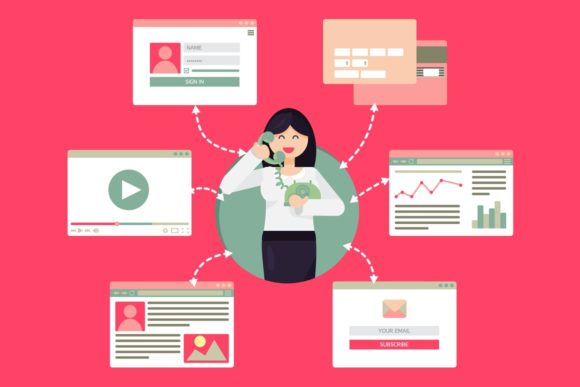
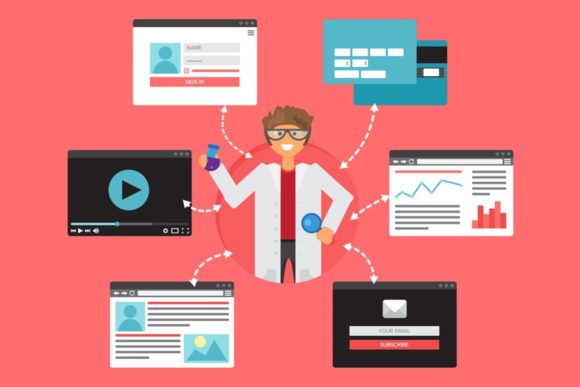
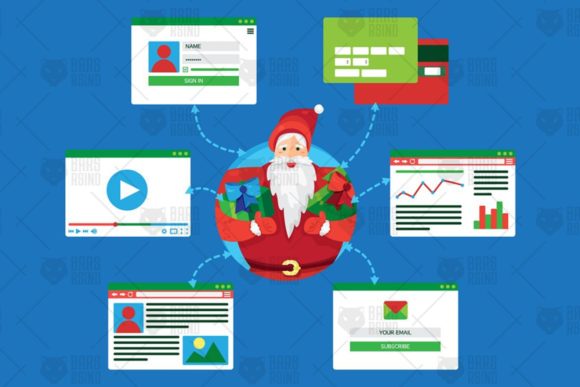
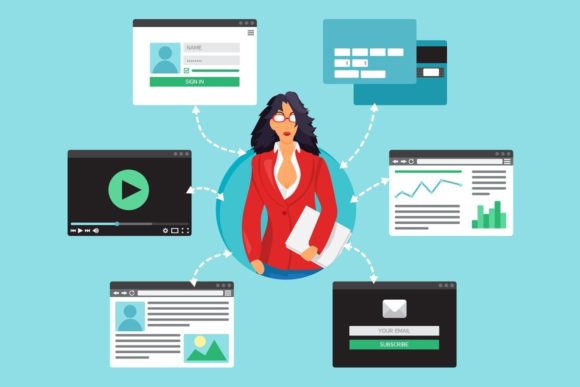
Vector Online Life Illustration offers a visual representation of these digital interactions. These illustrations can help users better understand how different elements of online life connect, from web pages to forms and beyond. They serve as a useful tool for educators, designers, and anyone looking to explain complex concepts in a simple way.
Practical Examples of Online Life in Action
Imagine a woman starting a blog. She uses a content management system to create and publish posts, engages with readers through comments, and promotes her work via social media. This is a perfect example of how online life can evolve into a platform for self-expression and income generation.
Another scenario involves a woman managing her finances online. She uses budgeting apps, tracks expenses through spreadsheets, and communicates with her bank via secure portals. All of these activities are part of her digital footprint and contribute to her overall financial health.
Common Considerations Before Engaging With Online Life
Before diving into online life, it's important to consider a few key factors. Security is a top priority—ensuring that passwords are strong, two-factor authentication is enabled, and sensitive information is protected. Privacy settings on social media should be reviewed regularly to control who sees what.
Additionally, understanding the terms of service for any online platform is crucial. This helps avoid unexpected changes in policies or data usage. It's also wise to evaluate the reliability of websites and services before sharing personal information or making purchases.
Strengths and Limitations of Online Life
One of the greatest strengths of online life is its accessibility. It allows people to connect across geographical boundaries, access educational resources, and participate in global conversations. However, it also has limitations. The digital divide remains a challenge, with some individuals lacking the necessary tools or skills to fully engage.
Another limitation is the potential for information overload. With so much content available, it can be overwhelming to sift through what's relevant. This is where good digital habits come into play—setting boundaries, prioritizing tasks, and using tools to streamline the process.
Tools and Resources for Navigating Online Life
There are numerous tools that can help simplify online life. Email clients like Gmail or Outlook offer features such as calendar integration, task management, and spam filtering. Social media platforms provide analytics tools to track engagement and measure impact.
For those interested in design, vector illustrations can be a valuable resource. Files like AI, EPS, and JPG formats allow for flexibility in editing and customization. Using software like Adobe Illustrator 10 or higher ensures that these files can be modified to suit specific needs, whether for personal projects or professional presentations.
Creating a Balanced Online Life
Maintaining a balanced online life involves setting clear goals and expectations. It's about knowing when to disconnect and when to engage. This balance helps prevent burnout and ensures that digital interactions remain positive and productive.
Ultimately, online life is a reflection of how individuals choose to interact with the digital world. By being mindful of the tools used, the platforms engaged with, and the purpose behind each activity, women can harness the full potential of their online presence.