Diamond Icons: Enhancing Visual Communication with Precision
In today's digital landscape, visual communication plays a crucial role in conveying information effectively. One tool that has gained popularity for its clarity and impact is Diamond Icons. These icons are not just decorative elements; they serve as powerful tools for enhancing user experience, improving navigation, and making complex ideas more digestible. Whether you're designing a website, developing an app, or creating marketing materials, understanding how to use Diamond Icons can make a significant difference in your project's success.
Diamond Icons are a collection of stylized symbols designed to represent various concepts, actions, or categories. Their unique shape and clean design make them highly recognizable and versatile. Unlike traditional icons that may vary widely in style, Diamond Icons offer a consistent aesthetic that can be easily integrated into different design systems. This consistency helps maintain a cohesive look across platforms and mediums, which is essential for brand identity and user familiarity.
Challenges and Needs Addressed by Diamond Icons
Many designers and developers face challenges when it comes to selecting the right visual elements for their projects. The wrong icon can confuse users, slow down interactions, or fail to communicate the intended message. This is where Diamond Icons come into play. By offering a standardized set of symbols, they reduce the cognitive load on users and streamline the design process.
Another common challenge is ensuring accessibility. Not all users have the same visual abilities, and some may struggle to interpret abstract or overly complex icons. Diamond Icons, with their clear and straightforward designs, can help bridge this gap. They are often used in conjunction with text labels to reinforce meaning, making them ideal for inclusive design practices.
Practical Applications of Diamond Icons
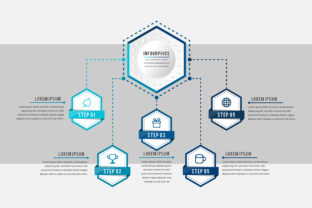
The versatility of Diamond Icons makes them suitable for a wide range of applications. In web design, they can be used to indicate actions such as saving, sharing, or searching. For example, a diamond-shaped icon with a checkmark might represent a confirmation action, while one with a magnifying glass could signal a search function. These icons help users navigate interfaces more intuitively, reducing the need for extensive text explanations.
In mobile applications, Diamond Icons are particularly useful for space-constrained layouts. Their compact size allows for efficient use of screen real estate without sacrificing clarity. A fitness app, for instance, might use a diamond icon with a running figure to denote a workout session, or one with a heart to indicate a user's favorite activity. This visual shorthand can enhance the overall user experience by making interactions faster and more engaging.
Marketing and advertising also benefit from the use of Diamond Icons. When creating social media posts, banners, or email campaigns, these icons can draw attention to key messages or calls to action. A diamond icon with an arrow pointing right might be used to highlight a promotion, while one with a star could signify a top-rated product. Their visual appeal and simplicity make them effective tools for capturing audience interest.
Considerations for Effective Use
While Diamond Icons offer many benefits, their effectiveness depends on how they are implemented. One important consideration is context. An icon that works well in one setting may not be appropriate in another. For example, a diamond icon representing a "notification" might be clear in a digital interface but could be confusing in a physical product manual. It's essential to evaluate the specific needs of your audience and choose icons that align with their expectations.
Another factor to consider is cultural relevance. Symbols that are universally understood in one region may carry different meanings in another. Before finalizing your design, research whether the chosen icons have any unintended connotations. This is especially important if your audience spans multiple regions or languages.
Customization and Integration
Many designers appreciate the flexibility that Diamond Icons offer. While pre-designed sets are available, some platforms allow for customization to match specific branding guidelines. This means you can adjust colors, sizes, or even add text to create a more personalized look. However, it's important to maintain consistency within your design system to avoid confusion.
Integration with existing tools and frameworks is also a key consideration. Diamond Icons should work seamlessly with your current design software, content management systems, or development environments. If they require additional coding or resources, this could add complexity to your workflow. Look for solutions that provide easy access and compatibility to ensure a smooth implementation process.
Choosing the Right Approach
Users may approach Diamond Icons differently based on their goals and technical expertise. A professional designer might focus on aesthetics and branding, while a developer could prioritize functionality and performance. For businesses, the emphasis might be on user engagement and conversion rates. Understanding these varying perspectives can help you tailor your use of Diamond Icons to best suit your needs.
Regardless of your approach, the key is to focus on the end-user experience. Ask yourself: Do these icons help users accomplish their goals? Are they clear and intuitive? By keeping these questions in mind, you can ensure that Diamond Icons contribute positively to your project's success.
In conclusion, Diamond Icons are more than just visual elements—they are strategic tools that can enhance communication, improve usability, and support inclusive design. By understanding their purpose, considering practical applications, and implementing them thoughtfully, you can unlock their full potential. Whether you're a designer, developer, or business owner, integrating Diamond Icons into your work can lead to more effective and engaging outcomes.