Web Site UI Forms: Enhancing User Experience with Versatile Templates
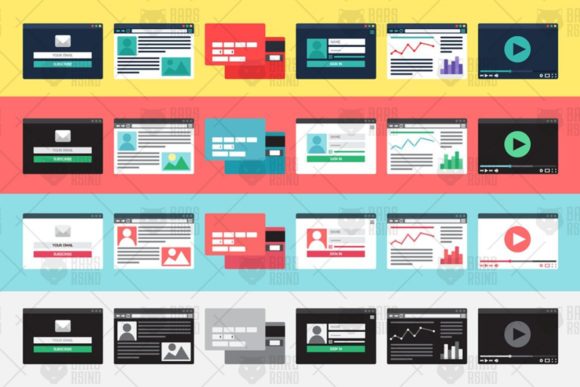
Web Site UI Forms are essential tools for designers and developers looking to streamline the creation of interactive web interfaces. These forms serve as the backbone of user engagement, enabling seamless interactions such as email subscriptions, login processes, video watching, online shopping, blog navigation, and infographic displays. With a focus on usability and aesthetics, Web Site UI Forms offer a range of features that cater to both novice and experienced users.
Understanding the Purpose of Web Site UI Forms
At their core, Web Site UI Forms are designed to facilitate communication between users and websites. Whether it's signing up for a newsletter, logging into an account, or purchasing a product, these forms act as the primary interface for user input. By providing a structured layout, they ensure that information is collected efficiently and presented in a way that is easy to understand.
One of the key benefits of using Web Site UI Forms is their adaptability. They can be customized to fit the specific needs of different platforms and applications, making them a versatile solution for a wide range of online activities. From social media integration to media content management, these forms play a crucial role in enhancing the overall user experience.
Features and Characteristics of Web Site UI Forms
Web Site UI Forms come with a set of features that make them particularly useful for modern web design. For instance, they include six vector web or desktop app UX templates, allowing designers to create visually appealing interfaces without the need for extensive coding. These templates are available in four color themes, ensuring that they can be easily integrated into various brand identities.
In addition to their visual appeal, Web Site UI Forms also offer practical advantages. They provide a consistent structure for form elements, which helps maintain a cohesive look across different pages and sections of a website. This consistency not only improves user experience but also makes it easier for developers to manage and update the site over time.
The availability of files such as EPS, AI, and JPG preview formats adds to the flexibility of Web Site UI Forms. These files can be opened and edited using software like Adobe Illustrator 10 or above, giving designers the freedom to modify the templates according to their specific requirements. This level of customization ensures that the final product aligns with the unique vision of the project.
Where Web Site UI Forms Can Be Used
Web Site UI Forms are applicable in a variety of contexts, making them a valuable resource for different types of users. For business owners, these forms can be used to create landing pages for marketing campaigns, collect customer feedback, or manage online transactions. Their ease of use and customization options make them ideal for small businesses and startups looking to establish a strong online presence.
Professionals in the design and development fields can also benefit from Web Site UI Forms. By leveraging pre-designed templates, they can save time and effort while still delivering high-quality results. This is especially beneficial when working on projects with tight deadlines or limited resources.
For creators and content producers, Web Site UI Forms can enhance the functionality of blogs, videos, and infographics. Whether it's adding a subscription form to a blog or creating an interactive interface for a video platform, these forms provide the necessary tools to engage audiences effectively.
Real-World Applications of Web Site UI Forms
Consider an online store that wants to improve its checkout process. By implementing a well-designed Web Site UI Form, the store can reduce cart abandonment and increase conversion rates. The form can be tailored to include fields for shipping information, payment details, and order confirmation, ensuring a smooth and secure transaction for customers.
Another example is a social media platform that uses Web Site UI Forms to manage user registrations and logins. A clean and intuitive form can encourage more users to sign up, while also minimizing errors and confusion. This can lead to increased user engagement and a more active community on the platform.
Additionally, a blog might use Web Site UI Forms to allow readers to leave comments or subscribe to updates. A simple yet effective form can make it easier for visitors to interact with the content, fostering a sense of connection and loyalty among the audience.
Strengths and Considerations of Web Site UI Forms
One of the main strengths of Web Site UI Forms is their ability to enhance user experience through clear and organized layouts. By following established design principles, these forms can guide users through complex processes with minimal friction. This is particularly important in today's digital landscape, where users expect fast and efficient interactions.
However, it's important to consider the limitations of using pre-designed templates. While they offer convenience, they may not always align perfectly with the unique needs of a project. In such cases, customization becomes essential to ensure that the final product meets the desired goals.
Moreover, the effectiveness of Web Site UI Forms depends on how well they are implemented. A poorly designed form can lead to user frustration and decreased engagement. Therefore, it's crucial to test and refine the form based on user feedback and analytics data.
Evaluating the Suitability of Web Site UI Forms
When deciding whether to use Web Site UI Forms, it's important to assess the specific requirements of the project. For instance, if the goal is to create a simple contact form, a basic template may suffice. However, for more complex interactions, such as multi-step registration processes, a more advanced form may be necessary.
Additionally, the target audience should be taken into account. A form designed for a professional audience may require a more sophisticated layout, while one intended for a general audience should be straightforward and easy to navigate. Understanding the needs and preferences of the users can help in selecting the most appropriate form design.
Ultimately, Web Site UI Forms offer a powerful solution for improving user interaction on websites. By combining functionality with aesthetics, they enable designers and developers to create engaging and effective interfaces that meet the demands of modern online activity.