Adaptive Design UI Elements: Enhancing User Experience Across Devices
In today’s digital landscape, where users access content from a variety of devices—computers, smartphones, and tablets—designing for adaptability is no longer optional. Adaptive Design UI Elements have emerged as a critical component in creating seamless, user-friendly interfaces that respond to different screen sizes and orientations. These elements are not just about aesthetics; they’re about functionality, accessibility, and ensuring a consistent experience across platforms.
What Are Adaptive Design UI Elements?
Adaptive Design UI Elements refer to a set of pre-designed components and templates that can be easily adapted to fit various screen sizes and device types. These elements include vector-based web and desktop app UX templates, which allow designers to create forms, buttons, icons, and other interactive features that maintain their integrity and usability regardless of the device being used.
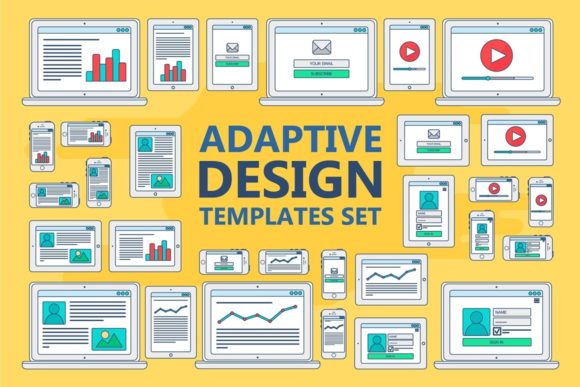
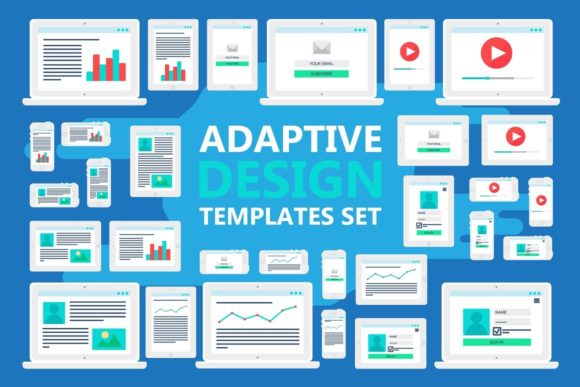
One notable offering includes 30 vector web or desktop app UX templates, each designed with adaptability in mind. These templates are ideal for professionals, creators, entrepreneurs, and marketers who need to build responsive interfaces without starting from scratch. The use of vector graphics ensures that the design remains sharp and scalable, whether viewed on a high-resolution monitor or a mobile phone.
How Adaptive Design Fits Into Broader Trends
The rise of adaptive design aligns with broader industry trends that prioritize user-centric experiences. As more people rely on mobile devices for browsing, shopping, and social interaction, businesses must ensure that their digital presence is accessible and functional on all platforms. This shift has led to an increased focus on responsive design, which is a core aspect of Adaptive Design UI Elements.
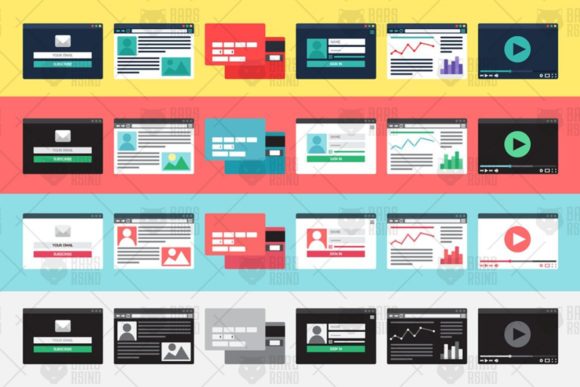
Moreover, the integration of vector adaptive web templates into site forms such as email subscribe, login to account, watching video, blog, and infographics demonstrates how these tools support modern online activities. Whether it's a user signing up for a newsletter or viewing an infographic, the design must be intuitive and easy to navigate, regardless of the device being used.
Why People Are Paying Attention to Adaptive Design
There are several reasons why Adaptive Design UI Elements have gained traction among professionals and creators. One key factor is the changing expectations of users. Today’s consumers demand fast, efficient, and visually appealing experiences. A poorly designed form or a non-responsive website can lead to frustration and lost opportunities.
Another reason is the growing importance of cross-platform consistency. With users switching between devices throughout the day, a seamless experience across all platforms is essential. Adaptive Design UI Elements help bridge this gap by ensuring that the look and feel of a website remain consistent, while still adapting to the specific needs of each device.
Additionally, the increasing use of social media and online activity has created a demand for more dynamic and interactive interfaces. From blog posts to video content, users expect a level of engagement that traditional static designs cannot provide. Adaptive Design UI Elements enable developers and designers to create interfaces that are not only visually appealing but also highly functional.
Practical Applications of Adaptive Design UI Elements
Let’s explore some practical examples of how Adaptive Design UI Elements can be applied in real-world scenarios. For instance, consider an email subscription form. On a desktop, the form may include multiple fields and detailed instructions. However, on a smartphone, the same form should be simplified, with larger buttons and fewer input fields to accommodate touch interactions.
Similarly, a login to account interface must be optimized for both large and small screens. On a tablet, the form might display additional options, such as social media logins or password recovery links. On a smartphone, the same form would be streamlined, focusing on the most essential actions to reduce user effort.
When it comes to watching video, the layout and controls must adapt to the device. On a computer, the video player may include full-screen options, volume controls, and playback speed settings. On a mobile device, these features may be condensed or reorganized to fit the smaller screen, while still maintaining ease of use.
For blogs and infographics, the presentation must be fluid and adaptable. On a desktop, a blog post may feature sidebars, related articles, and interactive elements. On a mobile device, the same content should be restructured to prioritize readability and navigation, ensuring that users can easily consume information without scrolling excessively.
The Role of Vector Adaptive Web Templates
Vector adaptive web templates play a crucial role in streamlining the design process. These templates offer a foundation upon which designers can build, saving time and resources. They are particularly useful for creating site forms such as email subscribe, login to account, watching video, blog, and infographics in five different positions, ensuring that the layout adapts to the user’s needs.
Each template is designed to work across three devices: notebook, tablet, and cellphone. This versatility makes them ideal for professionals who need to deliver a consistent experience across all platforms. By using these templates, designers can focus on the unique aspects of their projects rather than reinventing the wheel for each device.
Furthermore, the availability of files such as EPS, AI, and JPG preview ensures that designers can easily edit and customize the templates to suit their specific requirements. Adobe Illustrator 10 or above is recommended for opening and editing the EPS or AI files, allowing for greater flexibility and precision in the design process.
Connecting to Larger Developments
The adoption of Adaptive Design UI Elements reflects a broader movement toward more inclusive and accessible digital experiences. As technology continues to evolve, so too do the ways in which people interact with websites and applications. The increasing reliance on mobile devices, the rise of social media, and the demand for instant access to information have all contributed to the growing importance of adaptive design.
Moreover, the integration of analytics, media content interfaces, and social elements into web design highlights the need for a cohesive and adaptable approach. These elements must not only look good but also function effectively across all devices, ensuring that users can engage with content seamlessly.
As the digital world becomes more interconnected, the ability to create adaptive interfaces will become even more critical. Professionals who understand and utilize Adaptive Design UI Elements will be better positioned to meet the evolving needs of their audiences, driving engagement, satisfaction, and long-term success.
Conclusion
Adaptive Design UI Elements represent a powerful tool for creating responsive, user-friendly interfaces that cater to a wide range of devices and user preferences. By leveraging vector adaptive web templates and pre-designed UX elements, professionals can streamline their workflow while delivering a consistent and engaging experience across platforms.
As the digital landscape continues to evolve, the importance of adaptive design will only grow. Those who embrace these elements will not only meet current demands but also stay ahead of future trends, ensuring that their digital presence remains relevant and effective in an ever-changing world.