Design UI Elements: Strategic Tools for Modern Web and App Design
Design UI Elements is a comprehensive collection of vector-based web and desktop application UX templates designed to streamline the creation of visually appealing and functional digital interfaces. These elements are ideal for designers, developers, and entrepreneurs looking to enhance their projects with professional-grade assets that support a wide range of online activities.
What Are Design UI Elements?
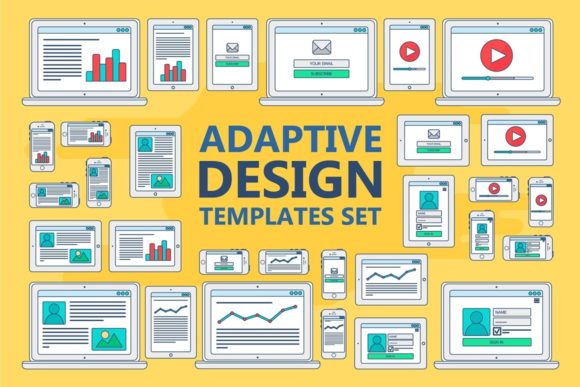
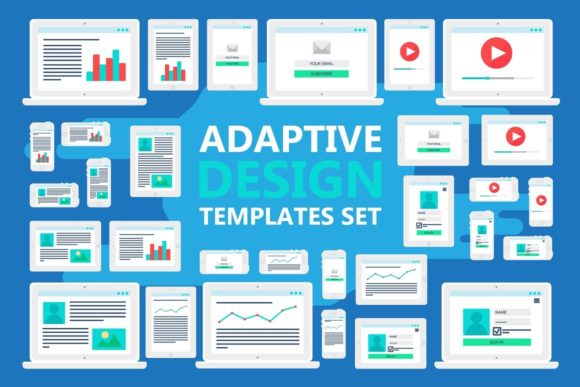
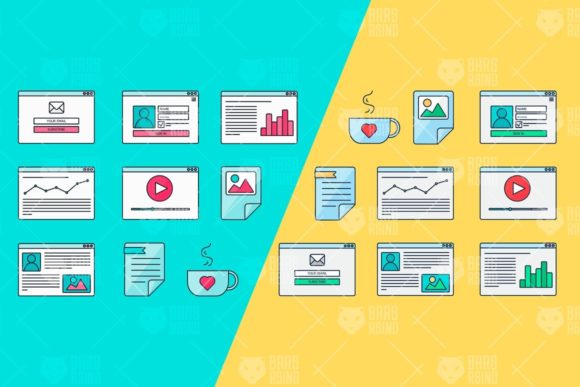
Design UI Elements consists of 9 distinct vector templates tailored for various digital platforms. Each template includes flat design mockups, icons, and layout structures that can be customized to fit specific needs. The collection is available in two color themes, offering flexibility for different branding requirements and aesthetic preferences.
These elements are particularly useful for creating web forms, login pages, video watching interfaces, shopping experiences, blogs, and infographics. Whether you're building a new website or updating an existing one, Design UI Elements provides a solid foundation to ensure consistency and efficiency in your design process.
Strategic Benefits of Using Design UI Elements
For professionals in fields such as marketing, entrepreneurship, and digital content creation, Design UI Elements offers a practical solution to accelerate project development. By leveraging pre-designed components, you can reduce the time spent on repetitive tasks and focus more on innovation and user experience.
The strategic use of these elements can also improve communication within teams. When everyone has access to a shared set of design assets, it ensures alignment across different departments and reduces the risk of inconsistencies in the final product.
Moreover, Design UI Elements supports long-term results by maintaining a cohesive visual identity across multiple platforms. This consistency helps build brand recognition and trust among users, which is essential for customer retention and growth.
When to Use Design UI Elements
Design UI Elements is most effective when used in the early stages of a project. Whether you're planning a new website, launching a mobile app, or redesigning an existing interface, these templates provide a clear starting point for your design work.
Consider using them when:
- You need to maintain a consistent design language across multiple pages or applications.
- Your team requires a standardized set of assets to ensure uniformity.
- You want to speed up the prototyping process without sacrificing quality.
By integrating Design UI Elements into your workflow, you can make informed decisions about layout, color schemes, and user interactions, leading to better outcomes and more efficient project management.
How to Approach Design UI Elements
To get the most out of Design UI Elements, start by identifying your project's goals and target audience. Understanding the needs of your users will help you choose the right templates and customize them effectively.
Before making changes, take time to explore the available elements. Familiarize yourself with the structure of each template and consider how it aligns with your overall vision. This preparation will save time and prevent unnecessary revisions later on.
When customizing, pay attention to details such as spacing, typography, and color contrast. These small adjustments can have a significant impact on the usability and aesthetics of your final design.
Key Considerations Before Relying on Design UI Elements
While Design UI Elements is a powerful tool, it’s important to approach it with a clear strategy. Without proper planning, relying on pre-designed components can lead to generic or unoriginal designs that fail to meet user expectations.
One common risk is using the elements without considering the context of your project. For example, a template designed for an e-commerce site may not be suitable for a blog or social media platform. Always evaluate whether the chosen elements align with your specific goals and audience needs.
Another consideration is the need for customization. While the templates offer a strong foundation, they may require adjustments to match your brand’s unique identity. Investing time in refining these elements ensures that your final product stands out in a competitive market.
Practical Examples of Design UI Elements in Action
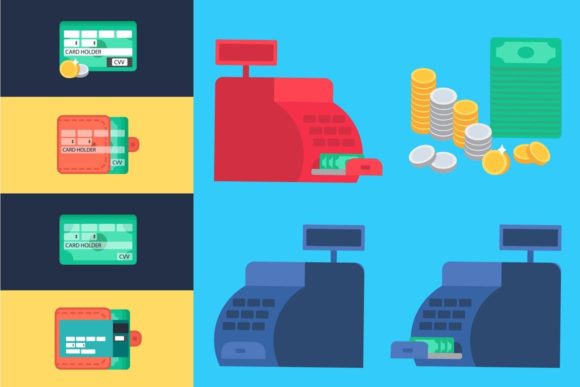
Imagine you’re launching an online store. Using Design UI Elements, you can quickly create a clean and intuitive shopping interface that guides users through the purchasing process. The templates include elements for product listings, checkout forms, and payment gateways, all of which contribute to a seamless user experience.
For a blog or content platform, the templates can help you design a responsive layout that adapts to different screen sizes. Features like comment sections, navigation menus, and media galleries are already built into the elements, allowing you to focus on content creation rather than technical implementation.
In the case of a social media application, Design UI Elements provides tools for creating profiles, messaging interfaces, and feed layouts. These components can be customized to reflect your brand’s personality while ensuring a familiar and engaging user experience.
Planning Tips for Effective Use
Effective use of Design UI Elements starts with thorough planning. Begin by outlining your project’s scope, target audience, and key objectives. This will help you determine which elements are most relevant and how they should be adapted to meet your needs.
Consider creating a style guide that outlines your brand’s color palette, typography, and design principles. This guide will serve as a reference when customizing the templates, ensuring that your final design remains consistent and aligned with your brand identity.
Additionally, involve stakeholders in the decision-making process. Their input can provide valuable insights into what features or elements are most important for your users. This collaborative approach increases the likelihood of success and reduces the risk of misalignment.
Strategic Observations and Decision-Making Guidance
Design UI Elements is not just a collection of assets; it’s a strategic resource that can influence the direction of your projects. By using these elements intentionally, you can make informed decisions about layout, functionality, and user engagement.
When choosing a template, ask yourself questions such as: Does this design support the intended user flow? Will it enhance the overall experience? How does it align with my brand’s values and goals? These considerations help ensure that your design choices are purposeful and impactful.
Finally, remember that the goal of any design is to solve a problem or meet a need. Design UI Elements provides the tools, but it’s up to you to apply them in a way that delivers real value to your users and business.