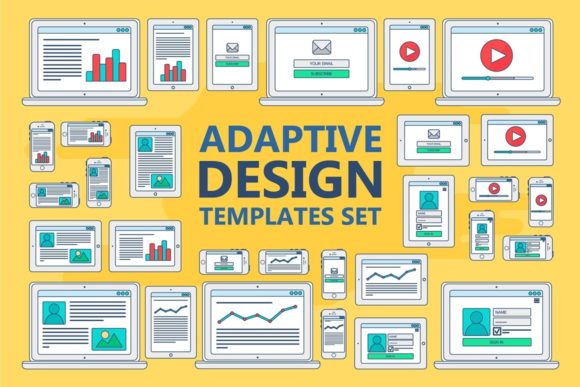
Stroked Adaptive Design Elements for Modern Web Forms
Stroked Adaptive Design Elements offer a powerful toolkit for designers and developers looking to create consistent, scalable, and visually compelling web forms across multiple devices. These elements are particularly valuable when designing email subscription interfaces, login pages, video watching experiences, blogs, and infographics. By leveraging the flexibility of stroke-based vector graphics, you can maintain visual cohesion while adapting to different screen sizes and resolutions.
Understanding Stroked Adaptive Design Elements
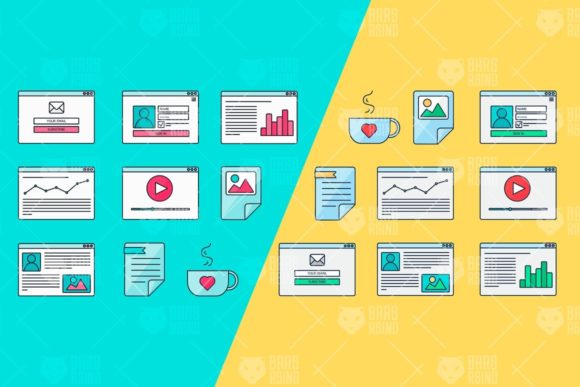
Stroked Adaptive Design Elements refer to a set of pre-designed vector graphics that use strokes rather than fills to define their appearance. This approach allows for easy customization in Adobe Illustrator or similar design tools. You can adjust the thickness, color, and type of stroke without affecting the overall structure of the design. This makes them ideal for creating adaptive UI components that remain sharp and legible on both large desktop monitors and small mobile screens.
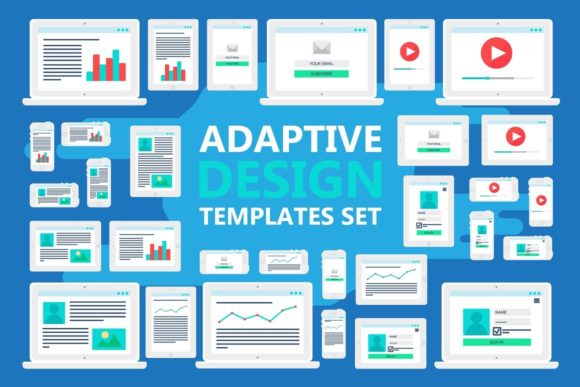
The collection includes 30 vector UX templates suitable for web and desktop applications. These templates are optimized for use in various contexts, including email subscription forms, account login interfaces, video playback dashboards, blog layouts, and infographic displays. Each element is designed with scalability in mind, ensuring it looks clean and professional regardless of the device being used.
Why Stroked Adaptive Design Elements Matter
In today’s multi-device world, consistency in design is essential. Users expect a seamless experience whether they’re accessing a website from a notebook, tablet, or smartphone. Stroked Adaptive Design Elements help maintain this consistency by providing a foundation that adapts naturally to different screen sizes and resolutions.
These elements also support strategic decision-making in design workflows. By using a shared set of stroke-based assets, teams can reduce redundancy, streamline development, and ensure brand alignment across platforms. This is especially useful for businesses aiming to enhance user engagement and improve conversion rates through well-structured form designs.
Strategic Use Cases for Stroked Adaptive Design Elements
Stroked Adaptive Design Elements are most effective when integrated into a broader design strategy. Here are some practical scenarios where they can make a difference:
- Email Subscription Forms: Use stroke-based icons and buttons to create a clean, modern look that remains readable on all devices.
- Login Interfaces: Maintain visual harmony between desktop and mobile versions of your login page using stroke-based design elements.
- Video Watching Experiences: Ensure controls, progress bars, and navigation elements are clear and functional on any screen size.
- Blog Layouts: Create a cohesive visual language for headers, buttons, and interactive elements that work across platforms.
- Infographic Displays: Use stroke-based graphics to highlight key data points without losing clarity on smaller screens.
By incorporating these elements into your design process, you can improve user experience, reduce development time, and maintain a unified brand identity across all touchpoints.
Planning and Implementation Tips
Before implementing Stroked Adaptive Design Elements, consider the following steps to maximize their effectiveness:
- Define Your Goals: Determine what you want to achieve with your form designs—whether it's increasing conversions, improving usability, or enhancing visual appeal.
- Understand Your Audience: Tailor your design choices based on the preferences and behaviors of your target users. For example, mobile users may prefer simpler, more streamlined interfaces.
- Test Across Devices: Ensure that your stroke-based elements render correctly on notebooks, tablets, and smartphones. Use responsive design techniques to maintain visual integrity.
- Customize Thoughtfully: Adjust stroke colors, widths, and styles to align with your brand guidelines. Avoid overcomplicating the design; simplicity often leads to better user engagement.
- Document Your Process: Keep track of how and why you used specific elements. This will help maintain consistency across projects and make future updates easier.
By taking a structured approach, you can ensure that Stroked Adaptive Design Elements serve as a reliable part of your design system rather than a random addition.
Long-Term Value and Branding
Stroked Adaptive Design Elements contribute to long-term branding efforts by establishing a consistent visual language. When users interact with your site or app, they should immediately recognize your brand through familiar design cues. This helps build trust, increase recognition, and reinforce your brand identity over time.
Moreover, these elements support efficient operations by reducing the need for repeated design work. Once a set of stroke-based assets is created, they can be reused across multiple projects, saving time and resources. This is especially beneficial for teams working on multiple websites, apps, or marketing campaigns.
Risks of Misuse
While Stroked Adaptive Design Elements offer many benefits, they can also lead to poor outcomes if used without clear goals or context. For example, applying these elements randomly without considering their purpose may result in inconsistent designs, confusing user interfaces, or reduced functionality.
It’s important to avoid over-reliance on pre-designed assets without understanding their intended use. Always evaluate how each element contributes to the overall user experience and business objectives. A thoughtful, intentional approach ensures that your designs are both aesthetically pleasing and functionally effective.
Conclusion: Intentional Use for Better Results
Stroked Adaptive Design Elements provide a flexible and scalable solution for modern web form design. When used intentionally, they can enhance user experience, streamline development, and strengthen brand identity. However, their true value lies in how they are applied within a broader design strategy.
By focusing on goals, planning, and practical implementation, you can leverage these elements to create more effective, consistent, and user-friendly digital experiences. Whether you're building an email subscription form, a login page, or a video interface, Stroked Adaptive Design Elements offer a powerful tool for achieving better results in your web design projects.