Pay Now Button: Strategic Design for Seamless Payment Experiences
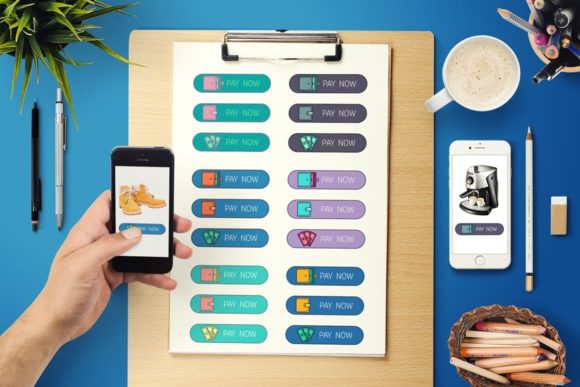
In the digital age, where online transactions are a cornerstone of business operations, the Pay Now Button stands out as a critical element in user interface (UI) and user experience (UX) design. This versatile tool is more than just a clickable element; it's a strategic asset that can influence customer behavior, streamline processes, and enhance overall business performance. With three stylish modern vector buttons available in six color themes, the Pay Now Button offers flexibility and adaptability across various platforms, from e-commerce websites to banking applications and beyond.
Understanding the Value of Pay Now Button
The Pay Now Button is designed with both aesthetics and functionality in mind. It serves as a visual cue that guides users through the payment process, making it easier for them to complete transactions. The button’s design elements—such as color, size, and placement—play a significant role in user engagement and conversion rates. By choosing the right color theme, businesses can align the button with their brand identity, creating a cohesive and professional look that resonates with their target audience.
Moreover, the Pay Now Button is not just about appearance; it’s about usability. A well-designed button can reduce friction in the checkout process, leading to higher completion rates. For instance, a bright red button might signal urgency or action, while a green button could convey trust and safety. Understanding these nuances allows designers and marketers to make informed decisions that support their business objectives.
Strategic Use of Pay Now Button in Business Operations
When integrated thoughtfully, the Pay Now Button can be a powerful tool for achieving specific goals. For small business owners, it can simplify the payment process for customers, reducing the likelihood of abandoned carts. In the context of salary or wage payments, the button can facilitate quicker and more efficient transactions, ensuring that employees receive their compensation promptly.
For entrepreneurs and marketers, the Pay Now Button can be part of a broader strategy to enhance customer experience. By placing the button in prominent locations on a website or application, businesses can encourage immediate action, which is crucial in competitive markets. Additionally, the button’s versatility allows it to be used in various contexts, such as subscription services, one-time purchases, or recurring payments, making it a valuable asset for different business models.
Planning and Positioning for Maximum Impact
To maximize the effectiveness of the Pay Now Button, careful planning and positioning are essential. Businesses should consider factors such as the target audience, the nature of the product or service, and the overall user journey. For example, a high-traffic e-commerce site may benefit from multiple Pay Now Buttons placed at strategic points, such as on product pages, in shopping carts, and during checkout.
Additionally, testing different designs and placements can provide valuable insights into what works best for a particular audience. A/B testing allows businesses to compare the performance of different versions of the Pay Now Button, helping them identify the most effective design and placement. This iterative approach ensures that the button is continuously optimized to meet the evolving needs of the business and its customers.
Considerations Before Relying on Pay Now Button
While the Pay Now Button offers numerous benefits, it is important to approach its use with caution. Without clear goals or context, the button may not deliver the desired results. Businesses should ask themselves key questions: What is the primary objective of the button? Who is the target audience? How does the button fit into the overall user experience?
Furthermore, the Pay Now Button should be part of a larger strategy that includes other elements of the user interface. A single button cannot compensate for poor design or a confusing checkout process. It is essential to ensure that the entire transaction flow is intuitive and user-friendly, with the Pay Now Button serving as a natural endpoint.
Practical Examples and Use Cases
Consider a scenario where an online retailer uses the Pay Now Button on their product pages. By making the button easily accessible, customers can complete their purchases without navigating away from the product page, reducing the chances of cart abandonment. Similarly, a subscription-based service can use the button to allow users to upgrade or renew their plans with just a few clicks, enhancing convenience and satisfaction.
In the context of a bank application, the Pay Now Button can be used to facilitate quick transfers or bill payments. By integrating the button into the app’s interface, users can perform financial transactions efficiently, improving their overall experience. This is particularly beneficial for users who value speed and simplicity in their banking activities.
Long-Term Value and Branding
The Pay Now Button also plays a role in long-term branding and customer loyalty. A consistent and well-designed button can reinforce a brand’s identity, making it more recognizable and trustworthy. Over time, this can lead to increased customer retention and positive word-of-mouth referrals.
Moreover, the Pay Now Button can be a part of a broader marketing strategy. For example, businesses can use the button in email campaigns to encourage recipients to make purchases or sign up for services. By incorporating the button into various touchpoints, companies can create a seamless and cohesive customer experience across different channels.
Conclusion: Intentional Use for Better Results
The Pay Now Button is more than just a design element; it is a strategic tool that can drive business success when used intentionally. By understanding its purpose, planning its implementation, and considering its impact on the user experience, businesses can leverage the button to achieve their goals. Whether it’s streamlining payments, enhancing customer satisfaction, or supporting long-term growth, the Pay Now Button offers a practical solution for modern digital challenges.